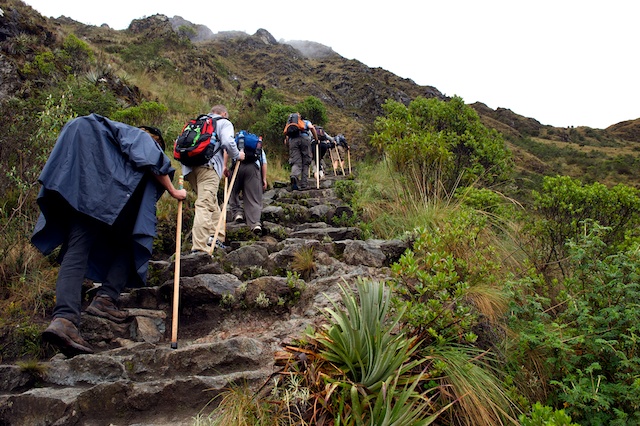
The Classic Inca Trails to Machupicchu 4 days
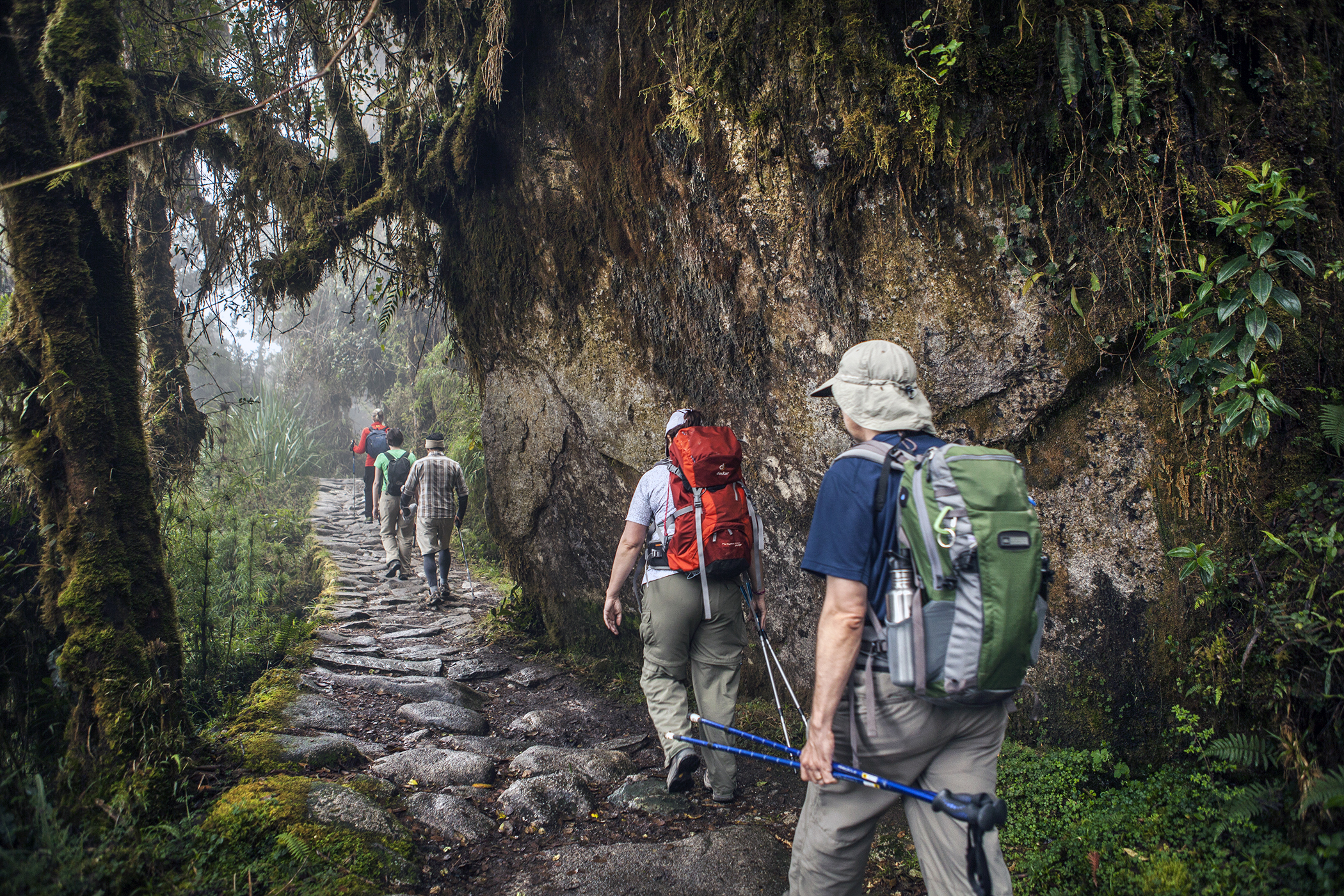
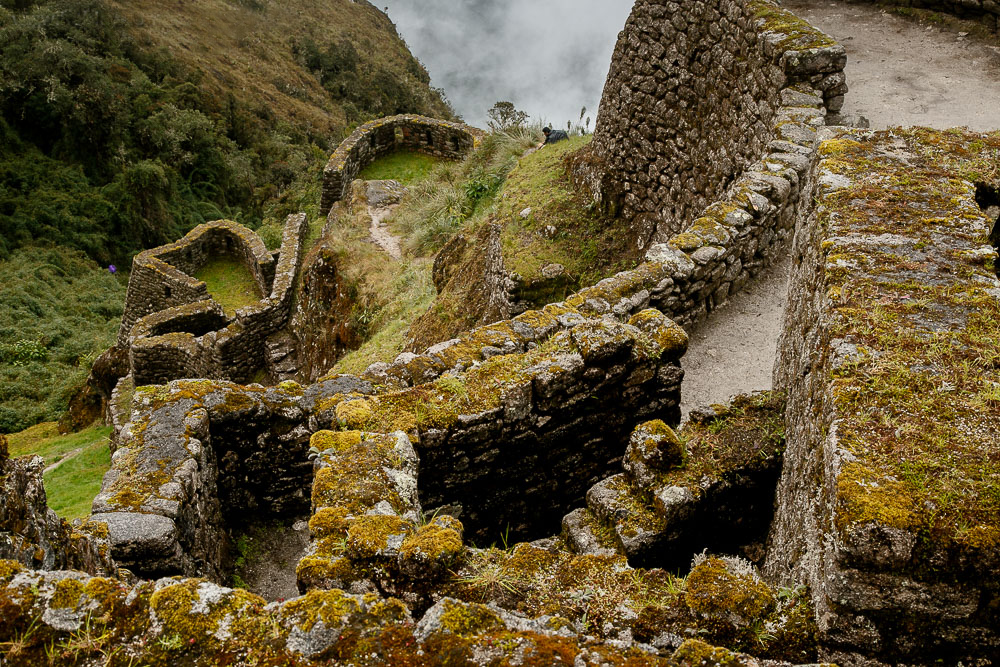
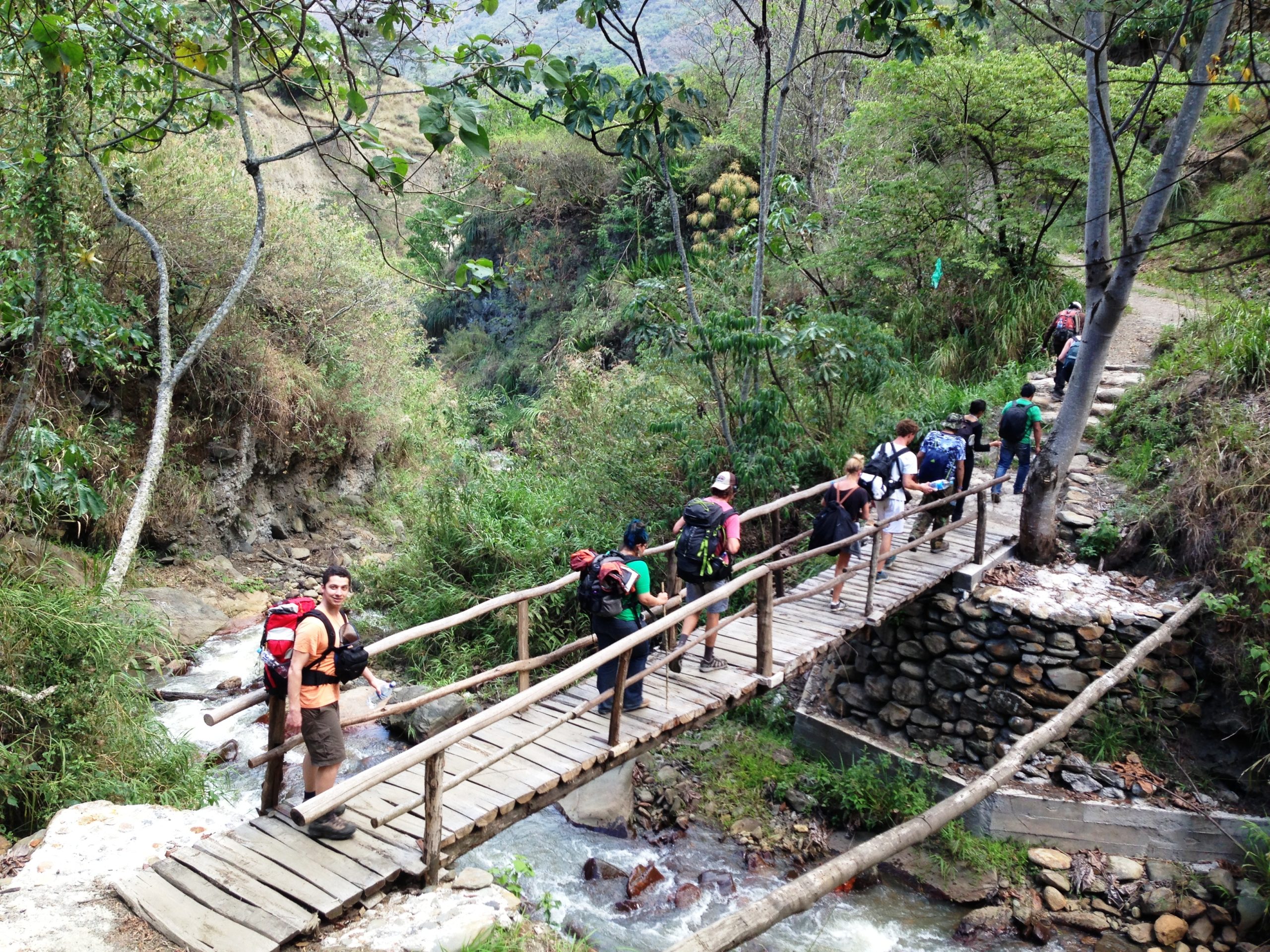

What to Bring for the 4-Day Inca Trail to Machu Picchu
Get ready for an unforgettable adventure on the Inca Trail to Machu Picchu by packing everything you need to travel comfortably and safely.
Important Documents
- Original passport (mandatory to enter the Inca Trail and Machu Picchu).
- Valid student ID, if you received a student discount.
Trekking Clothing and Footwear
- Sturdy, comfortable hiking boots or trail shoes.
- Hiking socks.
- Waterproof jacket or rain poncho.
- Warm clothing, hat, and gloves for cold nights.
- Light, breathable clothing for daytime (t-shirts, trekking pants).
- Hat or cap, sunglasses, and sunscreen (SPF 35 or higher).
Accessories and Personal Items
- Reusable bottles or CamelBak (recommended capacity: 3L).
- Insect repellent.
- Personal hygiene items or a day pack.
- Personal medication and a basic first aid kit.
- Camera or video camera.
- Headlamp with extra batteries.
Additional Recommended Items
- Shorts or light trekking pants.
- Trekking poles (must have rubber tips).
- Sandals or lightweight shoes for camp.
- Swimsuit to enjoy the hot springs in Aguas Calientes.
- Bandages, athletic tape, or moleskin.
- Extra cash in Peruvian soles (around 200 PEN) for personal expenses and tips.
The Inca Trail: History, Culture, and Adventure Toward Machu Picchu
The Classic Inca Trail is part of the legendary Qhapaq Ñan, the Inca road network that extended more than 23,000 kilometers (14,000 miles) across the Tawantinsuyo Empire.
This system connected ceremonial centers, agricultural zones, and military routes, reflecting the advanced engineering of the Incas.
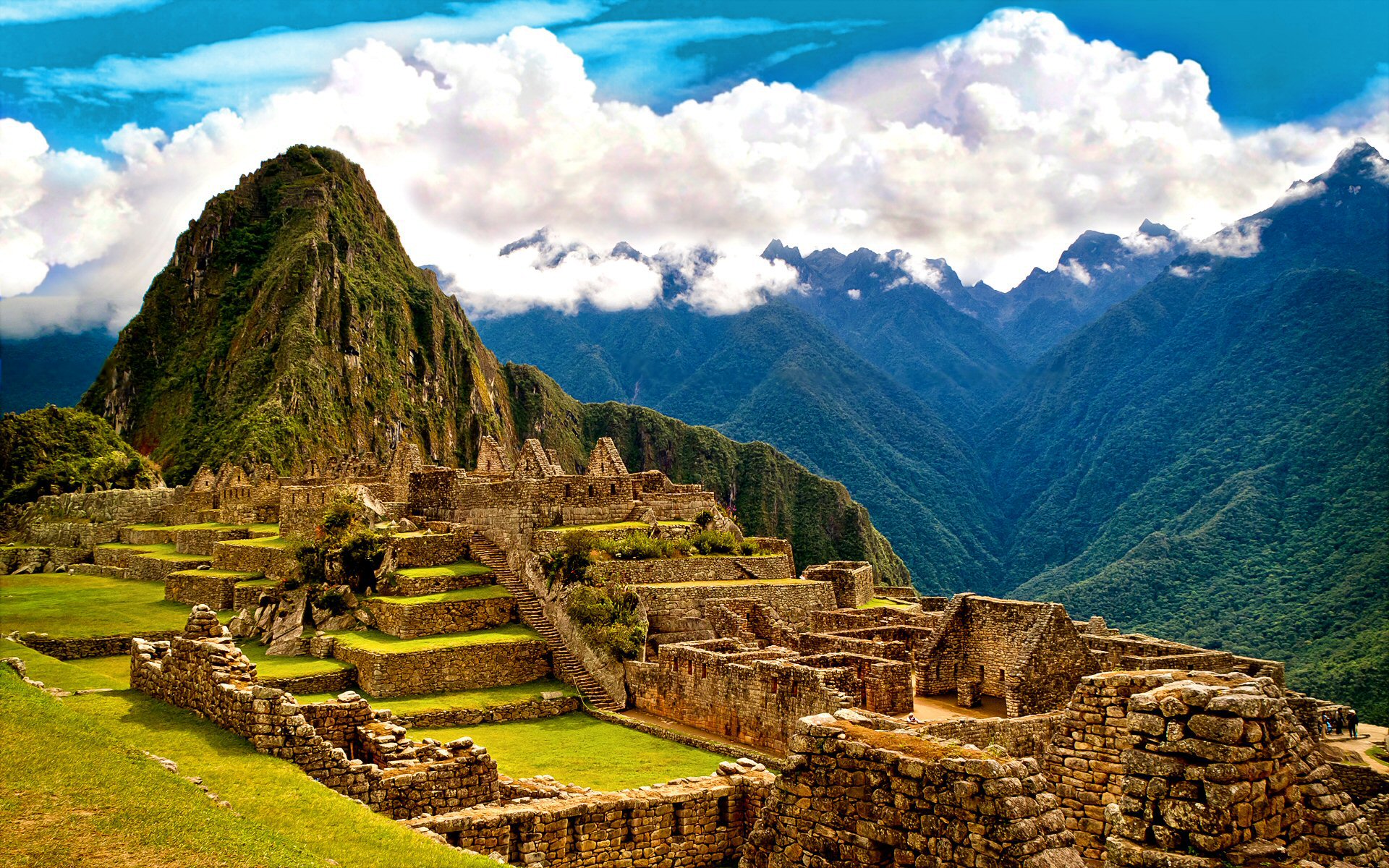
The most famous stretch leads to the Historic Sanctuary of Machu Picchu, recognized as one of the world’s most impressive hikes for its natural beauty, archaeological richness, and spiritual significance.
The journey begins at Kilometer 82 (Piscacucho), about three hours from Cusco, and crosses Andean valleys, cloud forests, and ancient Inca sites such as Llactapata, Runkurakay, Sayacmarca, Phuyupatamarca, Wiñay Wayna, and Inti Punku — the Sun Gate that heralds the arrival at Machu Picchu.
Inca Trail Regulations
According to the Official Tourist Use Regulations of the Inca Trail Network within the Machu Picchu Historic Sanctuary, access is strictly controlled to preserve its cultural and natural heritage.
Official entry points:
- Km 82 – Km 122 (Intihuatana)
- Km 88 – Wiñay Wayna
- Km 104 – Machu Picchu
- Huayllabamba – Pacaymayo
Santa Teresa
Entrance hours: 5:30 a.m. to 2:00 p.m.
No walking allowed: between 6:00 p.m. and 5:30 a.m.
Visitors must carry their original ID or passport and register at the SERNANP and Ministry of Culture checkpoints, which monitor compliance with the regulations alongside authorized guides.
Safety on the Inca Trail
The Inca Trail to Machu Picchu is a safe and protected route.
Park rangers from SERNANP and official guards from the Ministry of Culture oversee the entire trail, ensuring the safety of tourists, porters, and guides.
These professionals are authorized to respond to emergencies, inspect equipment, and record infractions in case of rule violations.
The Peruvian National Police also collaborates in safeguarding the route.
The Qhapaq Ñan: The Great Inca Road
The Qhapaq Ñan was a monumental network that linked what are now Peru, Bolivia, Ecuador, Chile, Argentina, and Colombia, covering more than 60,000 kilometers (37,000 miles) in total.
Built with extraordinary precision, it featured stone-paved roads, carved stairways, and tambos (waystations) for travelers.
Chroniclers such as Pedro Cieza de León and Guamán Poma de Ayala praised its magnificence, noting that it even surpassed Roman roads in engineering.
Modern researchers like John Hyslop and Ricardo Espinoza have studied and walked these routes, confirming their historical and archaeological importance.
Today, the Qhapaq Ñan – UNESCO Program works to preserve this heritage, which symbolizes the unity, diversity, and greatness of the Inca Empire.
LO MAS DESTACADO:
No hay un resumen disponible para este tour todavía.
The Classic Inca Trails to Machupicchu 2 days
Inca Trail to Machu Picchu 4 Days: The Adventure That Will Change Your Life
Embark on the legendary Inca Trail hike to Machu Picchu. Discover breathtaking Andean landscapes, ancient Inca ruins, and the magic of sunrise at the Sun Gate. A once-in-a-lifetime experience.

Day 1: Cusco to Wayllabamba – The Inca Trail Gateway (Km 82)
Your adventure to Machu Picchu begins early, with pick-up from your hotel in Cusco around 5:00 a.m. After a short stop in Ollantaytambo for breakfast and souvenirs, we head to the famous Kilometer 82 (Piscacucho), the official starting point of the Classic Inca Trail.
There, you’ll present your Inca Trail permit, passport, and student ID (if applicable for a discount). After a brief introduction, the trek begins by crossing the Vilcanota River at an altitude of 2,720 m (8,924 ft).

Along the way, enjoy a gentle 6-hour (11 km) hike, perfect for acclimatization. The landscape unfolds with views of archaeological sites like Llactapata (Patallacta) and the stunning snow-capped mountain Wakay Willca or Veronica (5,860 m).
We’ll arrive at our first campsite in Wayllabamba (3,000 m) around 5:00 p.m., where you’ll enjoy a traditional “tea time” and a delicious dinner prepared by our expedition chef.
- Difficulty: Easy / Moderate
- Maximum Altitude: 3,000 m
- Distance: 11 km
- Accommodation: Wayllabamba campsite

Day 2: Wayllabamba – Warmiwañuska – Pacaymayo: The Challenge of Dead Woman’s Pass
Get ready for the most demanding yet rewarding day. After a hearty breakfast at 5:30 a.m., we’ll begin the ascent toward the legendary Warmiwañuska Pass (Dead Woman’s Pass), the highest point of the Inca Trail at 4,215 m (13,829 ft).

Your effort will be rewarded with breathtaking views of the valleys and mountains of the Andes. On the descent to Pacaymayo (3,600 m), enjoy a well-deserved lunch and the region’s rich biodiversity — orchids, exotic birds, and the magical Q’ueuña trees, guardians of the cloud forest.
We’ll arrive at the campsite around 6:30 p.m., where a hot dinner and a starry night await.
- Difficulty: Moderate / Challenging
- Maximum Altitude: 4,215 m
- Distance: 10 km
- Accommodation: Pacaymayo campsite
Day 3: Pacaymayo – Runkurakay – Phuyupatamarca – Wiñay Wayna: Living History of the Inca Empire
After breakfast at 6:00 a.m., we begin one of the most beautiful and historically rich days on the Inca Trail. We’ll ascend to the archaeological site of Runkurakay (3,750 m) and cross the second-highest pass of the trail at 3,950 m, enjoying stunning panoramic views.

Then we’ll descend to the ruins of Sayacmarca (3,650 m) and have lunch at Chakiccocha, surrounded by pristine nature. The afternoon continues toward Phuyupatamarca (“City Above the Clouds”), one of the most impressive Inca sites on the route.
Finally, we’ll descend to our last campsite at Wiñay Wayna (2,680 m), where a special farewell dinner awaits. If you still have energy, you can visit the Wiñay Wayna ruins at sunset — an archaeological gem symbolizing the eternity of love and water.
- Difficulty: Moderate / Challenging
- Maximum Altitude: 3,950 m
- Distance: 16 km
- Accommodation: Wiñay Wayna campsite
Day 4: Wiñay Wayna – Inti Punku – Machu Picchu – Return to Cusco
The big day has arrived. After an early breakfast, we’ll pass the final checkpoint at 5:30 a.m. and hike for about an hour to reach the iconic Inti Punku (Sun Gate), where Machu Picchu reveals itself for the first time.

From this viewpoint, the sunrise illuminates the Inca citadel with indescribable magic. After a 40-minute walk, we’ll enter Machu Picchu for a guided tour from 8:00 to 10:00 a.m., exploring temples, terraces, and mysterious Inca structures.
If you wish, you can climb Machu Picchu Mountain or Huayna Picchu (with advance reservation) for unique panoramic views. Afterwards, you’ll have free time to explore or descend to Aguas Calientes, where you can have lunch, relax in the hot springs, or visit the local museum.

In the afternoon, you’ll take the train back to Ollantaytambo, and then the bus to Cusco, closing an experience you’ll never forget.
- Difficulty: Easy
- Maximum Altitude: 2,720 m
- Distance: 8.9 km
- Accommodation: Not included (return to Cusco)

ITINERARIO DETALLADO:
The Classic Inca Trails to Machupicchu 4 days
The Classic Inca Trails to Machupicchu is much more than a hike — it’s a journey through time, history, and nature.
This ancient path was once part of the Qhapaq Ñan, the vast network of roads that connected the entire Inca Empire, stretching from southern Colombia to northern Argentina.
Today, trekking this legendary trail means following in the footsteps of the Inca messengers, the chasquis, and venturing into one of the most breathtaking landscapes on Earth.
The Classic Inca Trail links the Sacred Valley of the Incas with the awe-inspiring Machu Picchu citadel, one of the Seven Wonders of the Modern World and a UNESCO World Heritage Site.
Over the course of four days, travelers cross mountains, cloud forests, and ancient archaeological sites hidden in the mist — an experience that is both spiritual and deeply connected to nature.
When to Travel the Inca Trail to Machu Picchu
Classic Inca Trail departures are available from March to January, though April to October is the best season thanks to its dry weather and clear skies.
During these months, days are perfect for hiking, and nights offer unforgettable starlit views.
Because of its immense popularity, the Inca Trail has a daily limit of 500 people, including guides, porters, and cooks. Only about 200 tourists are allowed on the trail each day, so it’s essential to book at least six months in advance to secure an official permit.
A Natural and Cultural Treasure
The authentic Inca Trail spans over 32,952 hectares, encompassing 10 ecological zones, more than 450 bird species, 200 varieties of orchids, and dozens of archaeological sites that reflect the grandeur of the Andean world.
Along the way, hikers explore ancient temples, agricultural terraces, and natural viewpoints that seem to float between the sky and the earth. Manu Tour
Classic Inca Trail to Machu Picchu Itinerary
Experience the magic of the 4-Day Classic Inca Trail to Machu Picchu, a unique journey that blends adventure, history, and nature. Follow the ancient Inca route through Andean landscapes, misty forests, and hidden ruins until reaching the majestic Historic Sanctuary of Machu Picchu, one of the Seven Wonders of the Modern World.
From Kilometer 82 to the Sun Gate (Inti Punku), every step connects you with the spiritual legacy of the Incas. Make sure to book your Inca Trail tour in advance, as spots are limited and sell out quickly.
Day 1: Cusco – Ollantaytambo – Piscacucho (Km 82) – Llactapata – Wayllabamba
The journey begins in Cusco, the former capital of the Inca Empire. From Ollantaytambo, a train or bus takes you to Piscacucho (Km 82), the official starting point of the hike.
The first day is a gentle walk through agricultural terraces and the archaeological site of Llactapata, ending at the first campsite in Wayllabamba.
Day 2: The Classic Inca Trails to Machupicchu and Wayllabamba – Warmiwañusca – Pacaymayu
This is the most challenging yet rewarding section of the trail. The path climbs steadily to Warmiwañusca Pass (4,215 m / 13,829 ft), known as the “Dead Woman’s Pass”, the highest point on the route.
From there, the trail descends into the Pacaymayu Valley, an ideal spot to rest surrounded by towering mountains.
Day 3: The Classic Inca Trails to Machupicchu- Pacaymayu – Runkurakay – Phuyupatamarca – Intipata – Wiñay Wayna
The third day is full of history and breathtaking scenery. Travelers visit ruins such as Runkurakay, Sayacmarca, and Phuyupatamarca, the “City Above the Clouds.”
The hike continues toward Wiñay Wayna, one of the most beautiful Inca sites and the final campsite before reaching Machu Picchu.
Day 4: Wiñay Wayna – Inti Punku (Sun Gate) – Machu Picchu – Cusco
Before dawn, hikers begin the final stretch toward Inti Punku (the Sun Gate), where they witness the first sunrise over Machu Picchu — an unforgettable moment as the ancient city is bathed in golden light.
After a guided tour of Machu Picchu, travelers return to Cusco, marking the perfect end to an unforgettable adventure.
Tips for Making the Most of Your Inca Trail Experience
Book in advance: Permits sell out quickly.
- Acclimatize in Cusco for at least two days before starting the trek.
- Bring layered clothing, sunscreen, a rain poncho, and trekking poles with rubber tips.
- Respect the natural and cultural environment: The Inca Trail is a protected sanctuary.
A Life-Changing Experience
- Hiking the Inca Trail to Machu Picchu is not only a physical challenge but also a profound connection to history, spirituality, and the majestic Andes.
- Each step reveals the legacy of an advanced civilization and the stunning beauty of Peru’s natural world.
- Living this adventure is undoubtedly one of the most transformative experiences any traveler can have in South America.
Servicios Incluidos:
What’s Included in the Classic Inca Trail 4-Day Tour?
Pre-Trek Briefing
A meeting with your guide in Cusco (or another agreed location) at 6:00 p.m. to review all the details of the trek and answer any questions before departure.
Full Transportation
- Cusco – Ollantaytambo – Km 82 (Chachabamba)
- Consettur bus from Machu Picchu to Aguas Calientes
- Expedition tourist train from Aguas Calientes to Ollantaytambo
- Private transport from Ollantaytambo back to Cusco
Professional Bilingual Guides
Expert Spanish/English-speaking guides specialized in the Inca Trail and Machu Picchu, certified in history, culture, and safety.
Official Entry Tickets
- Inca Trail Permit (4 days / 3 nights)
- Entrance to Machu Picchu (Circuit 1 – Guardian’s House route)
- Additional Machu Picchu entry (Circuit 2 or 3, depending on availability)
Campsite Accommodation
- 1st night: Wayllabamba
- 2nd night: Pacaymayo
- 3rd night: Wiñay Wayna
(Campsite assignments subject to availability by the Ministry of Culture)
Full Camping Equipment
- Dining and kitchen tents
- Tables, chairs, cooking utensils
- Support staff and porters for equipment transport
Chef and Assistant Cook
Professional trekking chefs prepare nutritious breakfasts, lunches, and dinners with vegetarian, vegan, and gluten-free options available at no extra cost.
Drinking Water & Tea Service
- Boiled and filtered water provided throughout the trek (bring reusable bottles with a total capacity of about 3 liters).
- Morning coca tea and afternoon tea service every day.
Safety & Support
- First aid kit and emergency oxygen available throughout the trek.
- 24/7 customer service and free luggage storage in Cusco.
Not Included
- Trekking poles (you can bring your own or rent them).
- Sleeping bag.
- Optional entrance tickets for Huayna Picchu Mountain or Machu Picchu Mountain.
- First breakfast and last lunch.
- Unforeseen expenses or delays caused by external factors (weather, strikes, health issues, pandemics, political situations, etc.).
Tip: You can rent trekking poles or sleeping bags and purchase additional Machu Picchu entries directly
Preparación para el Viaje
Te recomendamos llevar una mochila pequeña (máximo 5kg para el tren), bloqueador solar, repelente de mosquitos y ropa ligera en capas.
- Lleva tu pasaporte original (indispensable para entrar a Machu Picchu).
- Cambia algo de dinero a Soles (moneda local) para compras pequeñas.
- Reserva con al menos 2 meses de anticipación.