Traditional Inca Trail Peru
Inca Trail Trek – A Sacred Journey Through Mountains and Clouds
The Inca Trail, known in Quechua as Qhapaq Ñan, is far more than a hiking route—it is a masterpiece of Andean ingenuity and a direct portal to the glorious past of the Inca Empire. Stretching across the Andes, this vast network of roads connected the empire’s main administrative, agricultural, and religious centers from Ecuador to Chile and Argentina.
Today, the most famous section—from Cusco to Machu Picchu—is one of the world’s most iconic trekking routes: 42 kilometers of history, nature, and spirituality rolled into a four-day adventure.
A Mythical Hike to Machu Picchu
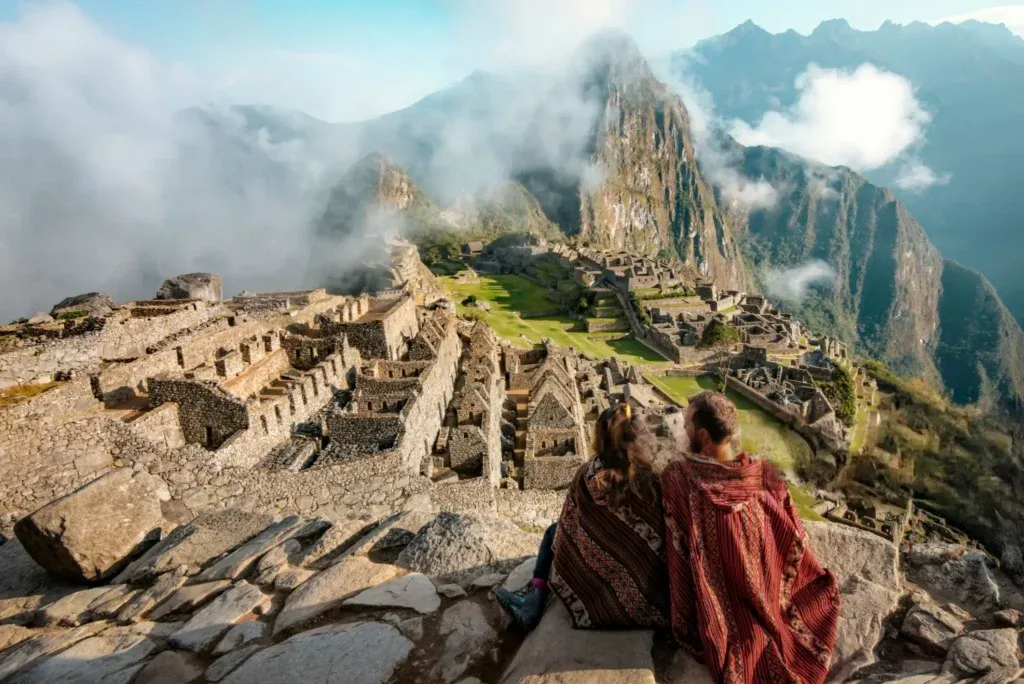
The classic Inca Trail begins at Kilometer 82, near the Sacred Valley, and concludes at the legendary Sun Gate (Inti Punku), where Machu Picchu is revealed for the first time.
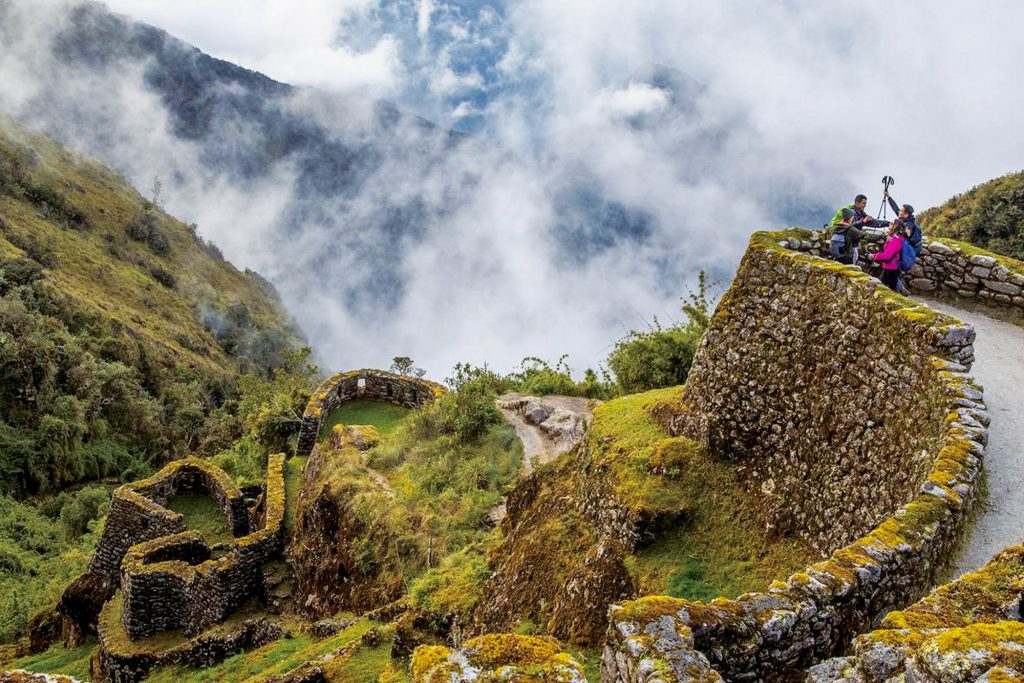
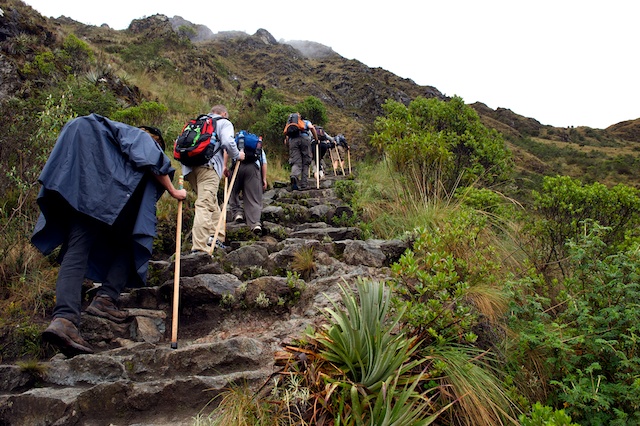
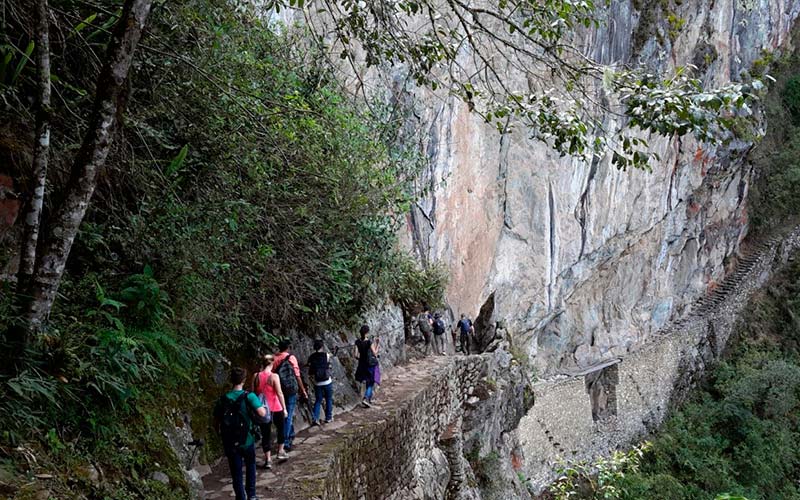
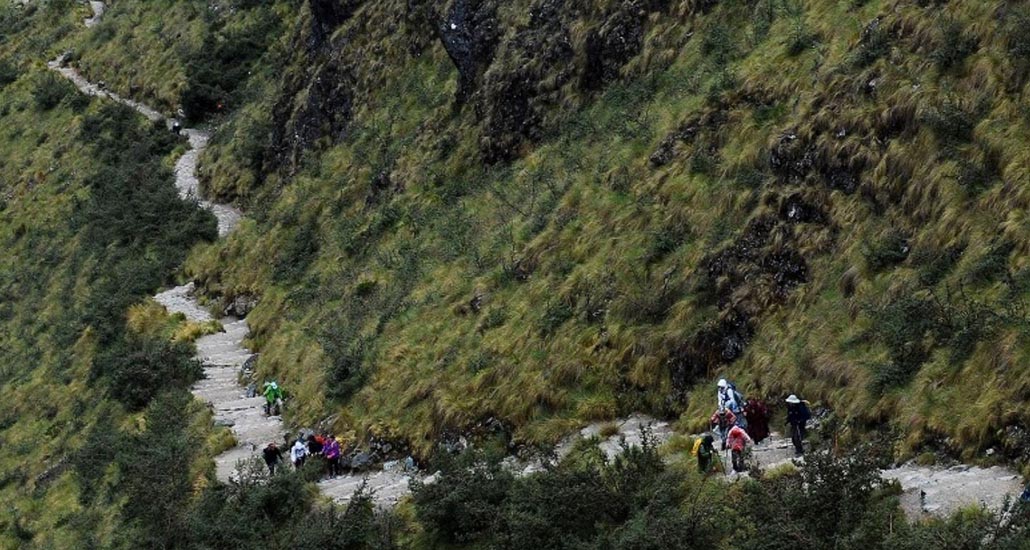
Over four days, trekkers walk along ancient stone paths, cross Inca bridges, and traverse agricultural terraces suspended over cliffs. Enveloped by cloud forests, sacred mountains, and crystal-clear rivers, each step becomes a living encounter with Andean history.
Key Facts:
- Distance: 42 km (26 miles)
- Duration: 4 days / 3 nights
- Highest Point: 4,215 m (13,828 ft) – Abra de Warmiwañusca (“Dead Woman’s Pass”)
- Difficulty: Moderate to challenging
- Start: Kilometer 82, Sacred Valley
- End: Machu Picchu, via Inti Punku (Sun Gate)
A Unique Inca Experience
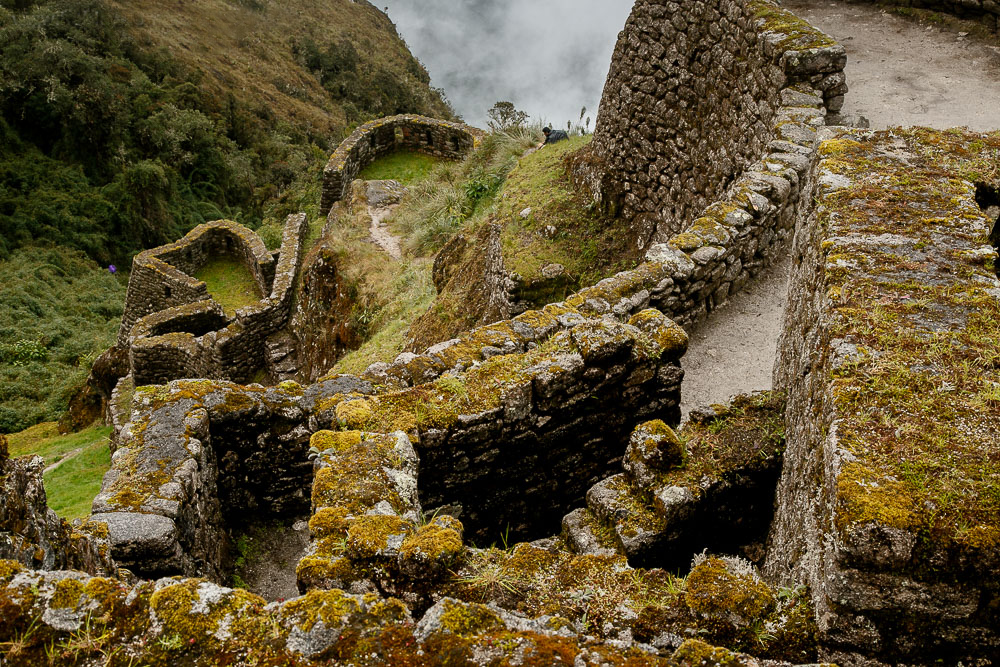
Along the trail, hikers discover archaeological gems revealing the power and organization of the Inca Empire: Llactapata, Runkurakay, Sayacmarca, Phuyupatamarca, and Wiñay Wayna. Each site tells a story before culminating at the majestic Machu Picchu.
Trekking through microclimates—from Andean highlands to cloud forests—offers breathtaking sunrises and starlit nights, making this journey as transformative as it is beautiful.
Permits and Regulations
Due to its cultural and environmental significance, the Inca Trail is protected by the Peruvian government. Trekking it requires an official permit, available only through authorized tour agencies.
- Only 500 permits are issued daily (including guides, porters, and tourists).
- Permits often sell out months in advance, especially between May and September (dry season).
- The trail is closed every February for maintenance and conservation.
Traveler Tip: Book 3–6 months in advance to secure your spot.
Best Time to Hike
Dry Season (April–October): Clear skies and ideal trekking conditions.
- Rainy Season (November–March): Lush greenery, though trails can be slippery.
- Alternative Routes to Machu Picchu
If permits for the classic Inca Trail are unavailable, other remarkable treks offer unique experiences:
- Salkantay Trek: Challenging route through glaciers and tropical forests.
- Lares Trek: Cultural immersion with traditional Andean communities.
- Inca Jungle Trek: Combines hiking, biking, and zip-lining adventures.
Each path provides a distinctive perspective on the Andes and a magical arrival at Machu Picchu.
More Than a Hike: A Spiritual Journey
- Walking the Inca Trail is a chance to connect with ancestors, feel the pulse of Pachamama, and rediscover the meaning of travel. For over 500 years, since the first stones were laid by Inca Pachacútec, this trail has symbolized unity among Andean peoples and devotion to the sun.
- Crossing the Sun Gate at sunrise and beholding Machu Picchu, travelers realize that the journey does not end there—it is only the beginning of a new way of seeing the world.
- If you want, I can also create a shorter, punchy version optimized for tourism websites or social media, highlighting the adventure, history, and spirituality in 2–3 scrollable paragraphs. This usually grabs readers’ attention faster.
Do you want me to do that?
LO MAS DESTACADO:
No hay un resumen disponible para este tour todavía.
Traditional Inca Trail Peru
The classic Traditional Inca Trail Peru: Is one of the most impressive engineering feats of the ancient world. Carefully built over rocky terrain, steep slopes, and deep gorges, this network of over 40,000 kilometers connected Cusco with distant locations such as Mendoza and Santiago de Chile.
Chroniclers like Miguel de Olaverría (1594) and Reginaldo de Lizárraga (1589) noted that the Incas preferred crossing the Andes via safe routes, avoiding the Atacama Desert. Routes along the Mendoza River—especially at Tambillitos and Ranchillos—were crucial for trade, transporting food like maize, copper from the Aconcagua mines, and for military and ceremonial purposes.
Archaeological Sites of the Inca Trail in Mendoza
Tambillitos: The Valley Tambo
At 2,240 meters (7,350 ft) above sea level, Tambillitos was an important Inca tambo (rest stop). Excavations reveal stone structures, decorated pottery, and organic remains, suggesting it served as a supply and control point for caravans. From here, the trail continued north along the Mendoza River, crossing the Andes into Chile.
The stone walls and Diaguita and Inca ceramics show peaceful coexistence between local peoples and Cusco engineers. Today, Tambillitos is a fascinating archaeological destination for travelers interested in the Qhapaq Ñan and the southern expansion of the Inca Empire.
Ranchillos: The Messenger’s Route
Ranchillos, stretching over 300 meters, is one of the largest Inca sites discovered in Argentina. Researchers have found more than 80 circular and rectangular structures, known as kanchas, typical of Inca administrative centers.
This site functioned as a logistical hub and rest stop for chaskis (messengers) and caravans crossing the Andes. Its panoramic views and natural surroundings make it an inspiring stop for travelers wishing to connect with the ancestral spirit of the Inca Trail.
Yalguaraz: Guardian of the Andean Marsh
At 2,200 meters (7,218 ft) in Calingasta, Yalguaraz preserves circular structures arranged in semicircles, likely used for ritual or administrative purposes. Ceramics found here indicate a purely Inca occupation, suggesting the site was part of a political and ceremonial control network in the central Andes.
From this point, the trail continues north toward Leoncito, extending the southern frontier of the empire.
The Southern Border of the Inca Empire Traditional Inca Trail Peru
According to recent research by Schobinger and Bárcena, the southern limit of the empire was at the Mendoza River, with no clear evidence of Inca presence further south. While fragments of Inca-influenced pottery have been found in Malargüe and San Rafael, these appear to reflect cultural exchange rather than territorial control.
The Inca Trail was more than a transport route—it symbolized integration. In places like Uspallata, the Incas coexisted peacefully with Huarpes and Diaguitas, sharing agricultural knowledge, technology, and spirituality.
Machu Picchu and Huayna Picchu: The Sacred Final Destination
The most famous section of the Inca Trail culminates at Machu Picchu, Peru’s archaeological jewel. After several days trekking through the mountains, travelers arrive at Inti Punku (Sun Gate), where the majestic citadel is revealed for the first time.
For those seeking an extra challenge, climbing Huayna Picchu, the iconic peak seen in postcards, provides one of the most spectacular views of the sanctuary—a spiritual lookout where the Incas worshiped the sun.
Whether as a traveler, explorer, or history enthusiast, walking this trail is a journey into the soul of the continent.
- Inca Trail Trek, Machu Picchu, Huayna Picchu Mountain, Salkantay Trek, Machu Picchu Travel,
- Classic Inca Trail, Inca Trail Hiking, History of the Inca Trail, Andes Trekking, Machu Picchu Tour Agency
ITINERARIO DETALLADO:
Traditional Inca Trail Peru : History, Routes, and Legacy in the Andes
The classic Traditional Inca Trail Peru was a network of over 40,000 km connecting Cusco with Mendoza and Santiago de Chile. Built with astonishing engineering, it crossed mountains, valleys, and gorges to unify the Inca Empire.
Explorers such as Lizárraga (1589) and Olaverría (1594) reported that the Incas preferred to cross the Andes via safe routes, avoiding the Atacama Desert. These trails facilitated trade, transport of maize, copper, and textiles, as well as political control across the empire.
Sites of the Inca Trail in Mendoza – Traditional Inca Trail Peru
Tambillitos (2,240 m / 7,350 ft)
An ancient tambo or rest stop with stone walls and Diaguita and Inca ceramics, showing cultural coexistence. It was a key supply point for caravans heading to Chile.
Ranchillos
With over 80 circular and rectangular structures, this site served as a logistical hub for messengers (chaskis) and caravans. The ruins highlight the organization and reach of the Inca road system.
Yalguaraz (2,200 m / 7,218 ft)
A ceremonial site with circular structures and pure Inca ceramics. From here, the trail continued north, extending the empire’s reach into the central Andes.
The Southern Border of the Inca Empire -Traditional Inca Trail Peru
Research suggests that the Mendoza River marked the southern limit of the empire. Further south, archaeological findings indicate cultural exchange rather than political control. In areas such as Uspallata, the Incas lived peacefully with the Huarpes and Diaguitas, sharing agricultural and spiritual knowledge.
Machu Picchu and Huayna Picchu: The Final Destination
The most famous section ends at Machu Picchu, Peru’s crown jewel. After several days of trekking, travelers arrive at Inti Punku (Sun Gate), revealing the sacred citadel.
Climbing Huayna Picchu offers spectacular views and a spiritual connection to the legacy of the sun and Inca gods.
Tips for Hiking the Inca Trail
- Advance booking: Permits are limited.
- Acclimatization: Spend at least two days in Cusco before starting the trek.
- Essential gear: Trekking shoes, poncho, sunscreen, trekking poles.
- Alternative routes: Salkantay Trek, Lares Trek, or Inca Jungle Trail, all reaching Machu Picchu.
What to Bring: A Complete Packing Guide
Hiking the Inca Trail is a world-famous experience that blends landscapes, history, and ancestral energy—but it’s also challenging. Proper preparation ensures your journey is memorable, not exhausting.
Documents and Money
Passport: Original and valid; required at all checkpoints.
Student ID (ISIC): If applicable, provides discounts for Machu Picchu tickets.
Cash: In Peruvian soles, for souvenirs, tips, or extra purchases. ATMs are not available along the trail.
Tip: Keep documents in a waterproof bag inside your backpack.
Clothing and Footwear -Traditional Inca Trail Peru
The Andes weather is unpredictable, with sudden shifts from sun to rain. Dress in layers and use quick-dry technical clothing.
- Recommended clothing:
Layered clothing: t-shirts, fleece, and warm jackets
- Raincoat or poncho
- Windbreaker
- Trekking pants (preferably convertible)
- Hat/cap and sunglasses
- Thermal underwear for cold nights
- Trekking boots with good traction
Tip: Do not wear new shoes on the trail. Break them in beforehand to prevent blisters.
Health and Personal Care -Traditional Inca Trail Peru
Altitude, strong sun, and humidity can affect your wellbeing. A small personal kit will help you avoid common discomforts.
- Sunscreen and lip balm
- Insect repellent
Personal first aid kit: basic medications, altitude sickness tablets, antidiarrheals, bandages
- Wet wipes and hand sanitizer
- Toilet paper in a sealed bag
Tip: Drink water frequently to prevent dehydration.
- Essential Gear and Accessories
Your equipment is your best ally. Keep your backpack light, practical, and organized.
- Daypack with lumbar support
- Water bottle or flask (at least 1 liter)
- Energy snacks: bars, chocolate, nuts
- Headlamp for camp navigation at night
- Camera or smartphone
- Batteries or power bank
- Trekking poles (with rubber tips to protect trails)
- Sleeping bag (some agencies offer rentals)
Tip: Use plastic or waterproof bags inside your backpack to keep clothes dry.
Enjoy the Experience with Proper Preparation
Hiking the Inca Trail to Machu Picchu combines physical challenge, history, and spirituality. With the right gear, you’ll enjoy every sunrise in the mountains, each hidden ruin in the mist, and finally the triumphant arrival at Inti Punku (Sun Gate), with Machu Picchu sprawling before your eyes.
Travel light, prepare well, and let the trail transform you.
Servicios Incluidos:
No details specified.
Preparación para el Viaje
Te recomendamos llevar una mochila pequeña (máximo 5kg para el tren), bloqueador solar, repelente de mosquitos y ropa ligera en capas.
- Lleva tu pasaporte original (indispensable para entrar a Machu Picchu).
- Cambia algo de dinero a Soles (moneda local) para compras pequeñas.
- Reserva con al menos 2 meses de anticipación.