Author: InkaPeruSalkTrekz
The Challenge Trek Machupicchu 7 days
Choquequirao to Machu Picchu Trek – 7 Days
The Challenge Trek Machupicchu: The Sacred Route of the Incas
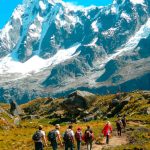
The Choquequirao to Machu Picchu trek is one of the most extraordinary journeys in Peru—a route that blends adventure, history, and spirituality within breathtaking natural landscapes. Surrounded by deep valleys, snow-capped mountains, and unique biodiversity, this trek takes you to explore two of the most important sites in the Andean world: Choquequirao and Machu Picchu.
Choquequirao Trek to Machu Picchu: A Hidden Sanctuary in the Andes
Located at over 3,030 meters (9,940 ft) above sea level, Choquequirao sits in the majestic Salkantay mountain range, overlooking the impressive Apurímac River valley. This enigmatic site is surrounded by imposing sacred mountains known as Apus, including:
- Yamana
- Ampay
- Chokecarpu
- Pumasillo
- Panta
In the Andean worldview, these mountains are considered spiritual protectors, making this route a deeply symbolic experience.
The Last Refuge of the Inca Empire
Choquequirao is known as “The Last Refuge of the Inca Empire,” as it is believed to have been one of the final strongholds of resistance during the Spanish expansion. During the Inca period, this site was connected to Machu Picchu through a complex network of trails, forming part of a strategic, political, and religious system. Today, trekking this route feels like traveling back in time.
Inca Engineering and Architecture The Challenge Trek Machupicchu
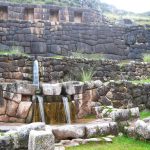
One of the most fascinating aspects of Choquequirao is its advanced hydraulic system, which was likely used for:
- Domestic purposes
- Ceremonial rituals
- Terrace agriculture
Its strategic location also suggests it functioned as a key religious center linking the Andes with the Amazon region.
Connection Between The Challenge Trek Machupicchu
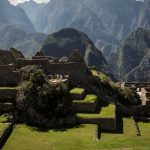
There are numerous similarities between Choquequirao and Machu Picchu, including:
- Architectural design
- Use of agricultural terraces
- Ceremonial function
- Strategic mountain location
This makes the Choquequirao–Machu Picchu trek one of the most complete and enriching routes for understanding the greatness of the Inca civilization.
A Sacred Pilgrimage The Challenge Trek Machupicchu
Beyond being a trekking route, this path was originally a spiritual pilgrimage. The journey to Choquequirao and Machu Picchu held deep religious significance, where the Incas performed rituals to honor the mountains, especially the imposing Salkantay peak. Walking this route today is a way to reconnect with that ancestral bond between nature and the cosmos.
Why Choose This Trek?
Combines two great Inca treasures: Choquequirao and Machu Picchu
Less crowded and more authentic route
Spectacular landscapes and unique biodiversity
A rich cultural, historical, and spiritual experience
Best Treks in Peru Choquequirao 4 Days
Trip Summary: Choquequirao Trek
The Best Treks in Peru Choquequirao , known as “the other Machu Picchu,” is one of the most impressive and challenging adventures in Cusco. This archaeological complex has gained significant recognition in recent years thanks to its incredible scenic, historical, and cultural richness.
Unlike Machu Picchu, Choquequirao receives far fewer visitors, allowing for a more authentic, शांत, and nature-connected experience. Its imposing terraces, mountains, and lush jungle surroundings create a unique setting that many consider even more mystical.
A Challenging but Unforgettable Hike: Choquequirao Trek
This trek is demanding and requires good physical condition, as it includes long ascents and descents. However, every step is worth it.
Travelers who complete this route all agree on one thing:
the effort is rewarded with spectacular landscapes and a deep connection to Inca history.
From the very beginning, you’ll feel a special energy that turns this experience into something more than just a hike.
Logistical Support During the Hike: Best Treks in Peru Choquequirao
To make your journey more comfortable, the tour includes horses that will carry up to 6 kg of your personal luggage.
We will provide you with a special duffel bag where you can pack:
- Sleeping bag (approx. 1.5 kg)
- Sleeping pad or mat (approx. 1 kg)
- Extra clothing (thermal or leisure wear)
- Personal hygiene items
This leaves enough space to carry the essentials without overloading your backpack.Best Treks in Peru Choquequirao
Personal Backpack (Required)
You must carry a small backpack (around 20 liters) with daily-use items such as:
- Water
Sunscreen
Hat or cap
Camera
Personal documents (passport)
Keep in mind that the horses do not walk alongside the group, so you will only have access to your main luggage at the campsites.
Group Dynamics Best Treks in Peru Choquequirao
During the trek, you will share the experience with travelers from different countries, walking paces, and languages.
Our professional guides are highly trained to:
- Adapt to different fitness levels
- Provide constant support
- Ensure safety and an enjoyable experience for everyone
- Private Service Option
If you prefer a more personalized experience, you can choose a private tour, ideal for:
Groups of friends
Families
Travelers with similar fitness levels
This allows for a more comfortable pace and more exclusive attention throughout the hike.
Why Choose Choquequirao?
Less crowded than Machu Picchu
Wilder and more authentic landscapes
Immersive experience in Inca culture
Perfect for adventurous travelers
Tour Traditional Inca Trail Machu picchu 5 days
Tour Traditional Inca Trail Machu picchu 5 days is an alternative route to the classic 4-day Inca Trail tour. It is designed for people who want to explore the Inca Trail at a slower pace, enjoying every detail that this wonderful route has to offer.
The Inca Trail is the most popular and well-known hiking route among tourists from all over the world.
Are you planning to hike the Salkantay Trek without a guide? You’re in the right place. Completing the 5-day Salkantay Trek to Machu Picchu independently was one of the most physically and mentally challenging adventures I’ve ever experienced.
Taking on this famous route without organized reservations or proper camping gear pushed us far outside our comfort zone. It was also our first major international trek, which made the experience even more intense.
The journey was not easy—but reaching the end was incredibly rewarding.
The Salkantay Trek in Peru is one of the most spectacular routes to Machu Picchu. Along the trail, you’ll encounter towering snow-capped mountains, remote valleys, lush cloud forests, and traces of ancient Incan history. It’s an adventure that combines breathtaking scenery with a true wilderness trekking experience.
Many travelers choose to hike the Salkantay Trail with a guided tour, and for good reason. Guides handle logistics, meals, and navigation along the trail, making the experience easier and safer. A guided trek is an excellent option for many hikers.
However, this guide focuses on a different approach: how to hike the Salkantay Trek independently.
In this article, you will learn exactly how to complete the classic 5-day Salkantay Trek to Machu Picchu. I will also explain the pros and cons of hiking independently, what to expect along the trail, where to stay each night, the typical cost of the Salkantay Trek, and practical tips to help you prepare for this incredible adventure.
Sacred Valley Vip Machupicchu 2 days
VIP Sacred Valley & Machu Picchu Tour – 2 Days
Sacred Valley Vip Machupicchu: Cultural Experience in Chinchero, Moray, Maras, and Machu Picchu
Our journey begins in Chinchero, a picturesque Andean village known for preserving the living textile traditions of the ancient Inca Empire. Here we will share an authentic cultural experience with a local community that will demonstrate the ancestral process of creating traditional Andean textiles. We will learn about traditional dyeing
techniques using natural pigments, spinning, and backstrap loom weaving used to create iconic garments such as
ponchos, scarves, chullos (Andean hats), and gloves made from alpaca, sheep, and in special cases, vicuña wool.
We will then continue to two of the most fascinating archaeological sites in the Sacred Valley: Moray and the impressive Maras Salt Mines.
At each destination, we will spend approximately 30 to 40 minutes exploring the site, learning about its history and understanding its importance within the Inca civilization. Sacred Valley Vip Machupicchu:
In Moray, we will observe its famous circular terraces, considered an ancient agricultural laboratory where the
Incas experimented with different microclimates to optimize the cultivation of Andean crops. Later, we will visit
the Maras Salt Mines, a unique landscape made up of thousands of salt pools that have been harvested artisanally since pre-Inca times.
During the tour, we will enjoy a delicious buffet lunch in the Sacred Valley of the Incas, prepared with fresh ingredients and local products.
This lunch offers a variety of appetizers, main courses, and desserts that represent the best of Andean and Peruvian gastronomy.
The journey continues with a train transfer to Machu Picchu Pueblo, following the course of the Urubamba River.
During this scenic ride, you will enjoy spectacular views of mountains, cloud forests, and the lush vegetation typical of the high jungle.
Through the train’s large panoramic windows, you can clearly see the ecosystem change from Andean landscapes
to the Peruvian cloud forest.
Along the way, it is also possible to see the starting point of the famous Inca Trail at kilometer 82. Sacred Valley Vip Machupicchu:
Upon arrival in Machu Picchu Pueblo, we will spend the night surrounded by nature while listening to the relaxing sound of the river.
During your stay, you may also visit the well-known Machu Picchu Hot Springs, located about a 15-minute walk
from the town center, ideal for relaxing after the journey.
In the evening, the town offers various dining options where you can enjoy everything from Peruvian cuisine to artisanal pizzas.
You may also try the traditional Pisco Sour while enjoying the lively nighttime atmosphere.
The next day, we will take the bus from Machu Picchu Pueblo to the legendary citadel of Machu Picchu.
The ride takes approximately 25 minutes and ascends along the famous Hiram Bingham Road, offering
spectacular views of the surrounding mountains and the dense vegetation that protects the historic sanctuary.
Once inside the citadel, a guided tour will begin with a professional guide who will help you discover the history,
architecture, and spiritual significance of this UNESCO World Heritage Site.
During the tour, we will explore the most important sectors of the archaeological complex, including the
Guardian’s House, the Temple of the Sun, the Temple of the Three Windows, the Intihuatana, the Acllahuasi, the
Temple of the Condor, and the complex water fountain system that still functions today.
After the guided tour, you will have free time to relax or explore Machu Picchu Pueblo again, where you can enjoy
the lively local atmosphere, browse handicraft markets, or taste regional cuisine.
Finally, we will board the train back to Cusco, concluding an unforgettable experience filled with culture, history,
and spectacular landscapes in the heart of the Peruvian Andes.
If you want, I can also help you turn this into a more commercial / sales-focused version for your website or brochures, which usually converts better for tourism bookings.
Tour 1 Day Machupicchu from Ollantaytambo
The Tour 1 Day Machupicchu from Ollantaytambo is one of the most popular and efficient excursions to visit the Inca citadel. This experience combines scenic transportation, a short train journey, a tourist bus ride, and a guided visit. It is ideal for travelers staying in the Sacred Valley of the Incas or for those who want to make the most of their time without missing the essence of this incredible destination.
Itinerary: Tour 1 Day Machupicchu from Ollantaytambo
Transfer to Ollantaytambo Train Station
The tour begins with a transfer to the Ollantaytambo train station, one of the main departure points to Machu Picchu. This town is well known for its historical charm and its strategic location within the Sacred Valley.
Tourist Train Journey to Aguas Calientes
From Ollantaytambo, travelers board the tourist train to Aguas Calientes (Machu Picchu Pueblo). The journey takes approximately 1.5 to 2 hours, passing through spectacular landscapes of mountains, rivers, and cloud forest.
Travelers can choose between different train categories depending on availability and preference:
Expedition: Comfortable and economical option
Vistadome: Panoramic windows for better views
Vistadome 360°: Premium experience with immersive panoramic views
Bus Ascent to the Machu Picchu Citadel
Upon arrival in Aguas Calientes, a professional guide will be waiting to accompany visitors to the Consettur bus station. From there, travelers take a tourist bus up a winding road to the entrance of the Historic Sanctuary of Machu Picchu.
Guided Tour of the Machu Picchu Citadel – Tour 1 Day Machupicchu from Ollantaytambo
After passing the entrance control, the guided tour begins. The visit lasts approximately two hours and covers the most important areas of the Inca citadel, including:
- Main Plaza
- Temple of the Three Windows
- Circular Tower
- Royal Quarters
- Ceremonial sectors and funerary areas
During the tour, the guide will provide detailed explanations about the history, architecture, and Inca worldview, offering a deep and enriching cultural experience.
Free Time in Aguas Calientes
After the guided tour, visitors descend back to Aguas Calientes, where they will have free time to have lunch or explore the town. Lunch is not included, allowing travelers to choose from a wide variety of restaurants.
Return to Ollantaytambo
In the afternoon, travelers board the return train to Ollantaytambo, following the same scenic route through the Sacred Valley. Upon arrival, the 1-Day Machu Picchu Tour from Ollantaytambo concludes, with the option of an additional transfer depending on the program booked.
Visit to Machu Picchu 2 days
Visit to Machu Picchu 2 Days: Panoramic Trip from Cusco
Discover and visit Cusco Machu Picchu by train from Cusco, combining comfort, panoramic views, and cultural experiences. Perfect for travelers who want to explore the Sacred Valley at a relaxed pace and enjoy the legendary Inca citadel with an expert guide.
Detailed Itinerary: Cusco to Machu Picchu Tour
Day 1:Visit to Machu Picchu Cusco – Ollantaytambo – Aguas Calientes
8:00 a.m.: Pick-up from your hotel in Cusco.
Transfer by car to the Sacred Valley, passing through stunning landscapes and traditional villages.
Arrival in Ollantaytambo and boarding the panoramic train to Aguas Calientes.
Free time for lunch at a local restaurant and to explore the picturesque town.
Group dinner at the hotel and review of the itinerary for the next day.
Overnight stay in Aguas Calientes.
Day 2: Visit Cusco Machu Picchu – Huayna Picchu (optional) – Return to Cusco
Shuttle bus transfer to Machu Picchu for a full guided tour.
Explore terraces, plazas, temples, and astronomical observatories.
Free time to wander on your own or climb Huayna Picchu or Machu Picchu Mountain (advance reservation required).
Lunch in Aguas Calientes before taking the train back to Ollantaytambo.
Bus transfer to Cusco, ending at Plaza San Francisco.
Booking Recommendations –
It is recommended to book 2 to 3 months in advance to ensure train seats and Machu Picchu tickets.
Consider the option of Huayna Picchu or Machu Picchu Mountain, which require early reservation.
Why Choose “Visit Cusco Machu Picchu”?
With Camino Inca Salkantay, your experience is fully planned:
- Early pick-up from your hotel in Cusco.
- Comfortable and safe panoramic train ride.
- Expert guides on Inca history and culture.
Organized logistics so you can focus on enjoying the landscapes and the citadel.
Traveler reviews available on TripAdvisor for trust and satisfaction.
Highlights of the 2-Day Machu Picchu by Train Tour
Panoramic train ride with unique views of the Sacred Valley.
Full guided tour of Machu Picchu, with free time to explore.
Optional: climb Huayna Picchu or Machu Picchu Mountain.
Immersive cultural experience in the Sacred Valley and traditional villages.
Best Trips to Machupicchu 1 day
The Classic Inca Trails to Machupicchu 4 days
The Classic Inca Trails to Machupicchu is much more than a hike — it’s a journey through time, history, and nature.
This ancient path was once part of the Qhapaq Ñan, the vast network of roads that connected the entire Inca Empire, stretching from southern Colombia to northern Argentina.
Today, trekking this legendary trail means following in the footsteps of the Inca messengers, the chasquis, and venturing into one of the most breathtaking landscapes on Earth.
The Classic Inca Trail links the Sacred Valley of the Incas with the awe-inspiring Machu Picchu citadel, one of the Seven Wonders of the Modern World and a UNESCO World Heritage Site.
Over the course of four days, travelers cross mountains, cloud forests, and ancient archaeological sites hidden in the mist — an experience that is both spiritual and deeply connected to nature.
When to Travel the Inca Trail to Machu Picchu
Classic Inca Trail departures are available from March to January, though April to October is the best season thanks to its dry weather and clear skies.
During these months, days are perfect for hiking, and nights offer unforgettable starlit views.
Because of its immense popularity, the Inca Trail has a daily limit of 500 people, including guides, porters, and cooks. Only about 200 tourists are allowed on the trail each day, so it’s essential to book at least six months in advance to secure an official permit.
A Natural and Cultural Treasure
The authentic Inca Trail spans over 32,952 hectares, encompassing 10 ecological zones, more than 450 bird species, 200 varieties of orchids, and dozens of archaeological sites that reflect the grandeur of the Andean world.
Along the way, hikers explore ancient temples, agricultural terraces, and natural viewpoints that seem to float between the sky and the earth.
Classic Inca Trail to Machu Picchu Itinerary
Experience the magic of the 4-Day Classic Inca Trail to Machu Picchu, a unique journey that blends adventure, history, and nature. Follow the ancient Inca route through Andean landscapes, misty forests, and hidden ruins until reaching the majestic Historic Sanctuary of Machu Picchu, one of the Seven Wonders of the Modern World.
From Kilometer 82 to the Sun Gate (Inti Punku), every step connects you with the spiritual legacy of the Incas. Make sure to book your Inca Trail tour in advance, as spots are limited and sell out quickly.
Day 1: Cusco – Ollantaytambo – Piscacucho (Km 82) – Llactapata – Wayllabamba
The journey begins in Cusco, the former capital of the Inca Empire. From Ollantaytambo, a train or bus takes you to Piscacucho (Km 82), the official starting point of the hike.
The first day is a gentle walk through agricultural terraces and the archaeological site of Llactapata, ending at the first campsite in Wayllabamba.
Day 2: The Classic Inca Trails to Machupicchu and Wayllabamba – Warmiwañusca – Pacaymayu
This is the most challenging yet rewarding section of the trail. The path climbs steadily to Warmiwañusca Pass (4,215 m / 13,829 ft), known as the “Dead Woman’s Pass”, the highest point on the route.
From there, the trail descends into the Pacaymayu Valley, an ideal spot to rest surrounded by towering mountains.
Day 3: The Classic Inca Trails to Machupicchu- Pacaymayu – Runkurakay – Phuyupatamarca – Intipata – Wiñay Wayna
The third day is full of history and breathtaking scenery. Travelers visit ruins such as Runkurakay, Sayacmarca, and Phuyupatamarca, the “City Above the Clouds.”
The hike continues toward Wiñay Wayna, one of the most beautiful Inca sites and the final campsite before reaching Machu Picchu.
Day 4: Wiñay Wayna – Inti Punku (Sun Gate) – Machu Picchu – Cusco
Before dawn, hikers begin the final stretch toward Inti Punku (the Sun Gate), where they witness the first sunrise over Machu Picchu — an unforgettable moment as the ancient city is bathed in golden light.
After a guided tour of Machu Picchu, travelers return to Cusco, marking the perfect end to an unforgettable adventure.
Tips for Making the Most of Your Inca Trail Experience
Book in advance: Permits sell out quickly.
- Acclimatize in Cusco for at least two days before starting the trek.
- Bring layered clothing, sunscreen, a rain poncho, and trekking poles with rubber tips.
- Respect the natural and cultural environment: The Inca Trail is a protected sanctuary.
A Life-Changing Experience
- Hiking the Inca Trail to Machu Picchu is not only a physical challenge but also a profound connection to history, spirituality, and the majestic Andes.
- Each step reveals the legacy of an advanced civilization and the stunning beauty of Peru’s natural world.
- Living this adventure is undoubtedly one of the most transformative experiences any traveler can have in South America.
Traditional Inca Trail Peru
Traditional Inca Trail Peru : History, Routes, and Legacy in the Andes
The classic Traditional Inca Trail Peru was a network of over 40,000 km connecting Cusco with Mendoza and Santiago de Chile. Built with astonishing engineering, it crossed mountains, valleys, and gorges to unify the Inca Empire.
Explorers such as Lizárraga (1589) and Olaverría (1594) reported that the Incas preferred to cross the Andes via safe routes, avoiding the Atacama Desert. These trails facilitated trade, transport of maize, copper, and textiles, as well as political control across the empire.
Sites of the Inca Trail in Mendoza – Traditional Inca Trail Peru
Tambillitos (2,240 m / 7,350 ft)
An ancient tambo or rest stop with stone walls and Diaguita and Inca ceramics, showing cultural coexistence. It was a key supply point for caravans heading to Chile.
Ranchillos
With over 80 circular and rectangular structures, this site served as a logistical hub for messengers (chaskis) and caravans. The ruins highlight the organization and reach of the Inca road system.
Yalguaraz (2,200 m / 7,218 ft)
A ceremonial site with circular structures and pure Inca ceramics. From here, the trail continued north, extending the empire’s reach into the central Andes.
The Southern Border of the Inca Empire -Traditional Inca Trail Peru
Research suggests that the Mendoza River marked the southern limit of the empire. Further south, archaeological findings indicate cultural exchange rather than political control. In areas such as Uspallata, the Incas lived peacefully with the Huarpes and Diaguitas, sharing agricultural and spiritual knowledge.
Machu Picchu and Huayna Picchu: The Final Destination
The most famous section ends at Machu Picchu, Peru’s crown jewel. After several days of trekking, travelers arrive at Inti Punku (Sun Gate), revealing the sacred citadel.
Climbing Huayna Picchu offers spectacular views and a spiritual connection to the legacy of the sun and Inca gods.
Tips for Hiking the Inca Trail
- Advance booking: Permits are limited.
- Acclimatization: Spend at least two days in Cusco before starting the trek.
- Essential gear: Trekking shoes, poncho, sunscreen, trekking poles.
- Alternative routes: Salkantay Trek, Lares Trek, or Inca Jungle Trail, all reaching Machu Picchu.
What to Bring: A Complete Packing Guide
Hiking the Inca Trail is a world-famous experience that blends landscapes, history, and ancestral energy—but it’s also challenging. Proper preparation ensures your journey is memorable, not exhausting.
Documents and Money
Passport: Original and valid; required at all checkpoints.
Student ID (ISIC): If applicable, provides discounts for Machu Picchu tickets.
Cash: In Peruvian soles, for souvenirs, tips, or extra purchases. ATMs are not available along the trail.
Tip: Keep documents in a waterproof bag inside your backpack.
Clothing and Footwear -Traditional Inca Trail Peru
The Andes weather is unpredictable, with sudden shifts from sun to rain. Dress in layers and use quick-dry technical clothing.
- Recommended clothing:
Layered clothing: t-shirts, fleece, and warm jackets
- Raincoat or poncho
- Windbreaker
- Trekking pants (preferably convertible)
- Hat/cap and sunglasses
- Thermal underwear for cold nights
- Trekking boots with good traction
Tip: Do not wear new shoes on the trail. Break them in beforehand to prevent blisters.
Health and Personal Care -Traditional Inca Trail Peru
Altitude, strong sun, and humidity can affect your wellbeing. A small personal kit will help you avoid common discomforts.
- Sunscreen and lip balm
- Insect repellent
Personal first aid kit: basic medications, altitude sickness tablets, antidiarrheals, bandages
- Wet wipes and hand sanitizer
- Toilet paper in a sealed bag
Tip: Drink water frequently to prevent dehydration.
- Essential Gear and Accessories
Your equipment is your best ally. Keep your backpack light, practical, and organized.
- Daypack with lumbar support
- Water bottle or flask (at least 1 liter)
- Energy snacks: bars, chocolate, nuts
- Headlamp for camp navigation at night
- Camera or smartphone
- Batteries or power bank
- Trekking poles (with rubber tips to protect trails)
- Sleeping bag (some agencies offer rentals)
Tip: Use plastic or waterproof bags inside your backpack to keep clothes dry.
Enjoy the Experience with Proper Preparation
Hiking the Inca Trail to Machu Picchu combines physical challenge, history, and spirituality. With the right gear, you’ll enjoy every sunrise in the mountains, each hidden ruin in the mist, and finally the triumphant arrival at Inti Punku (Sun Gate), with Machu Picchu sprawling before your eyes.
Travel light, prepare well, and let the trail transform you.